Are casement windows more expensive than other windows?
Yes, casement windows typically cost more than standard double-hung or sliding windows — usually 10% to 25% more per unit — because of their crank-operated hardware, tighter seals, and multi-point locking systems. That higher upfront cost is often offset by better energy efficiency and a longer service life. For Winnipeg homeowners dealing with harsh winters, the extra investment usually pays for itself over time.
Why Casement Windows Cost More Upfront
The price difference comes down to what’s inside the window, not just what you see from the curb. Casement windows use a hinge-and-crank mechanism that swings the sash outward, which requires more precise engineering than a window that simply slides up, down, or side to side.
Here’s what drives the cost:
- Hardware complexity — Crank operators, multi-point locks, and hinges cost more to manufacture and install than basic sliding tracks.
- Sealing performance — Casement windows compress against the frame when closed, similar to a refrigerator door. This requires higher-quality weatherstripping and tighter tolerances, which adds to material and labour costs.
- Frame construction — To handle the outward-swinging sash without warping over time, frames need reinforced corners and heavier-duty materials.
- Glass and energy packages — Casement windows are frequently paired with double- or triple-pane glass and Low-E coatings, especially in Manitoba’s climate, which increases the price but also the performance.
How Casement Windows Compare to Other Styles
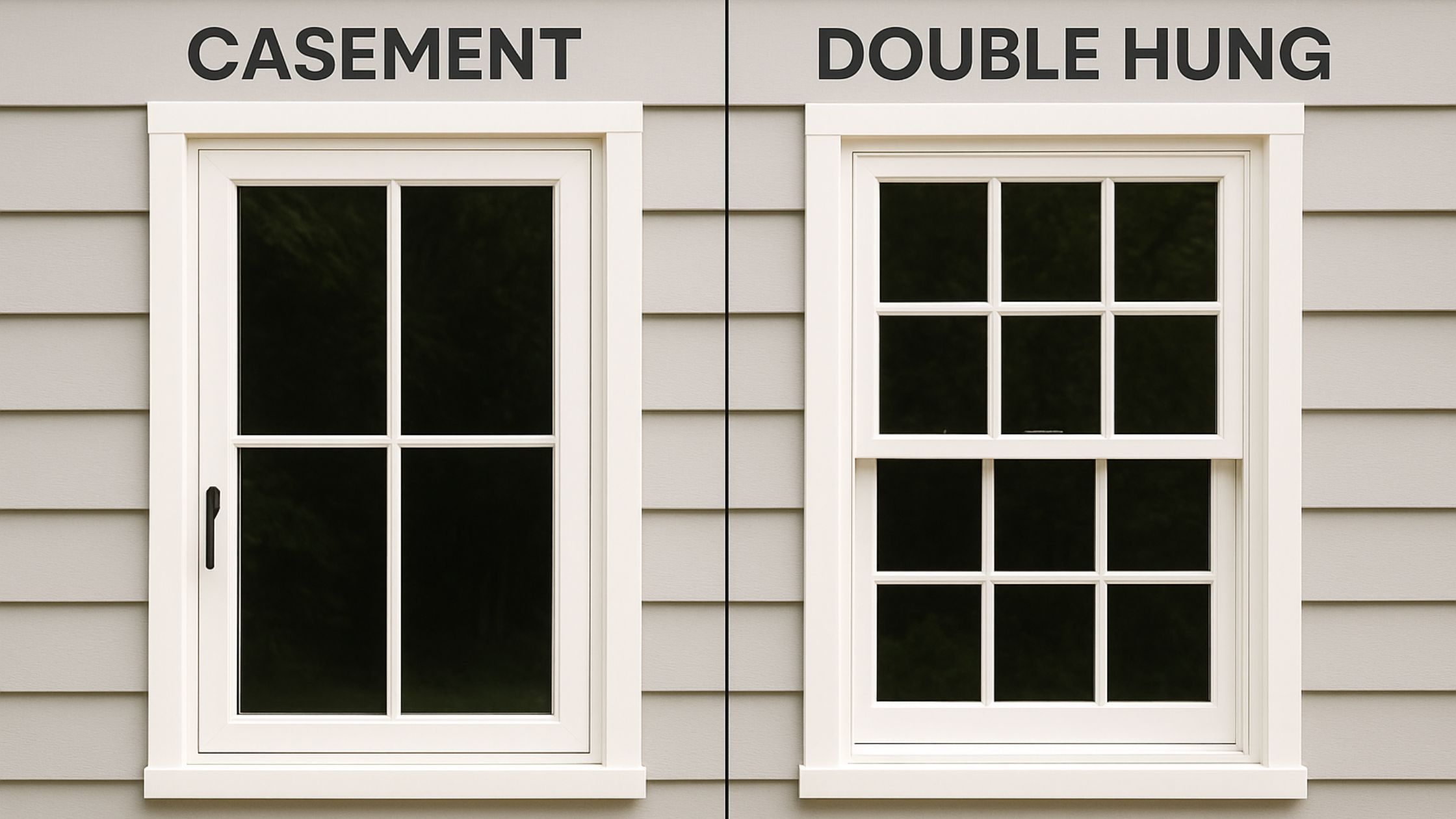
To put the cost difference in perspective, here’s a general breakdown of how casement windows stack up against other common options in Winnipeg homes:
- Double-hung windows — Usually the least expensive option, but they don’t seal as tightly and can be less efficient in cold, windy conditions.
- Sliding windows — Similar price range to double-hung, good for wide openings, but the horizontal track can let in more air over time as seals wear.
- Awning windows — Close in price to casements since they use similar crank hardware, but they’re hinged at the top instead of the side. If you’re deciding between the two, our post on Awning vs Casement Windows: What s the Difference? breaks down which style fits better depending on window placement and ventilation needs.
- Casement windows — Typically the higher end of the price range among operable windows, but they offer the best air seal of any style that opens, which matters a lot during Winnipeg winters.
Where the Extra Cost Pays You Back
A higher sticker price isn’t automatically a bad deal. Casement windows tend to deliver value in a few specific ways that matter in this climate:
Lower energy bills. Because the sash compresses against the frame rather than sliding along a track, casement windows resist air leakage better. In a city where heating costs are a real line item every winter, that tighter seal adds up over the years.
Fewer service calls. The mechanical simplicity of a crank system means less wear on moving parts compared to sliding tracks that can get gritty, stiff, or misaligned. Well-installed casement windows tend to need less maintenance over their lifespan.
Better resale perception. Casement windows read as a quality upgrade to buyers and appraisers, which can help at resale time, particularly on older homes still running original single-pane units.
Ventilation control. The crank lets you open the window to any angle and lock it in place, which gives you more precise airflow control than a sliding sash, especially useful for capturing a breeze without fully opening the window.
What Actually Drives Your Final Price
The "are casement windows more expensive" question doesn’t have one universal dollar answer — your final price depends on:
- Window size and number of panes (single, double, or triple)
- Glass package (standard double-pane vs. Low-E, argon-filled, or triple-pane for extreme cold)
- Frame material (vinyl, fiberglass, or wood-composite)
- Number of windows being replaced at once (bulk installs often reduce per-unit cost)
- Complexity of the install, including whether existing framing needs repair
This is why getting an actual quote matters more than relying on general price ranges you find online. A 24-inch casement window in a straightforward retrofit costs very differently than a large custom casement unit in a home with older, non-standard framing.
Getting It Installed Right Matters as Much as the Window Itself
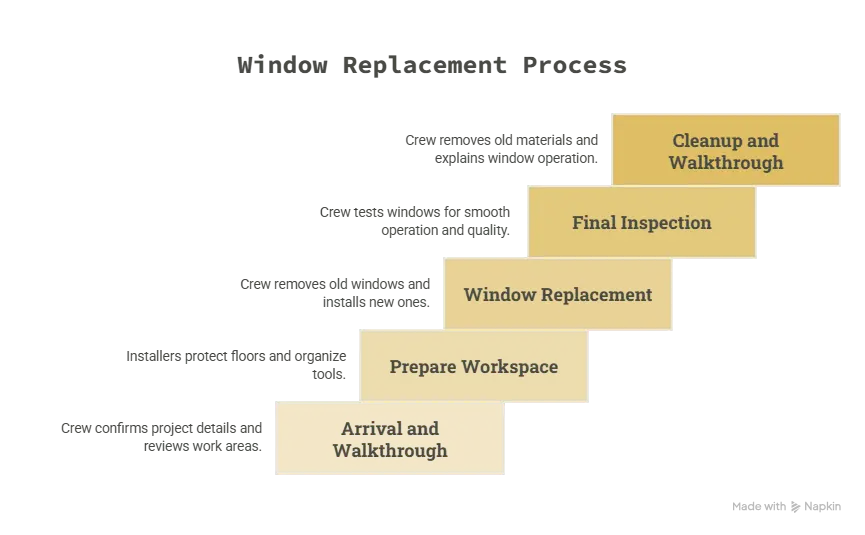
Even a well-built casement window won’t perform to its potential if it’s not installed correctly. Poor sealing around the frame, incorrect shimming, or rushed flashing work can undercut the energy efficiency you’re paying extra for. That’s why professional windows installation Winnipeg work is worth factoring into your budget alongside the window cost itself — the installation is where the performance either gets locked in or lost.
At smarttech windows & doors, we walk homeowners through style options, glass packages, and framing considerations before any number gets finalized, so you know exactly what you’re paying for and why.
Get a Straight Answer on Pricing
The best way to know if casement windows make sense for your budget and your home is to get a real, on-site quote rather than guessing from averages. If you’re weighing casement windows against other styles for an upcoming replacement, reach out through our contact smarttech windows & doors page and we’ll walk you through the numbers for your specific project.
FAQ
Are casement windows worth the extra cost in Winnipeg?
For most homes, yes. The tighter seal and better resistance to air infiltration make a real difference during Manitoba winters, often reducing heating costs enough to help justify the higher upfront price.
Do casement windows need more maintenance than other styles?
Generally less. The crank hardware is mechanically simple and doesn’t rely on tracks that can collect dirt or wear down, though hinges and cranks should still be checked periodically.
How much more do casement windows cost compared to sliding windows?
Casement windows typically run 10% to 25% higher than comparable sliding or double-hung windows, though the exact gap depends on size, glass package, and frame material.